

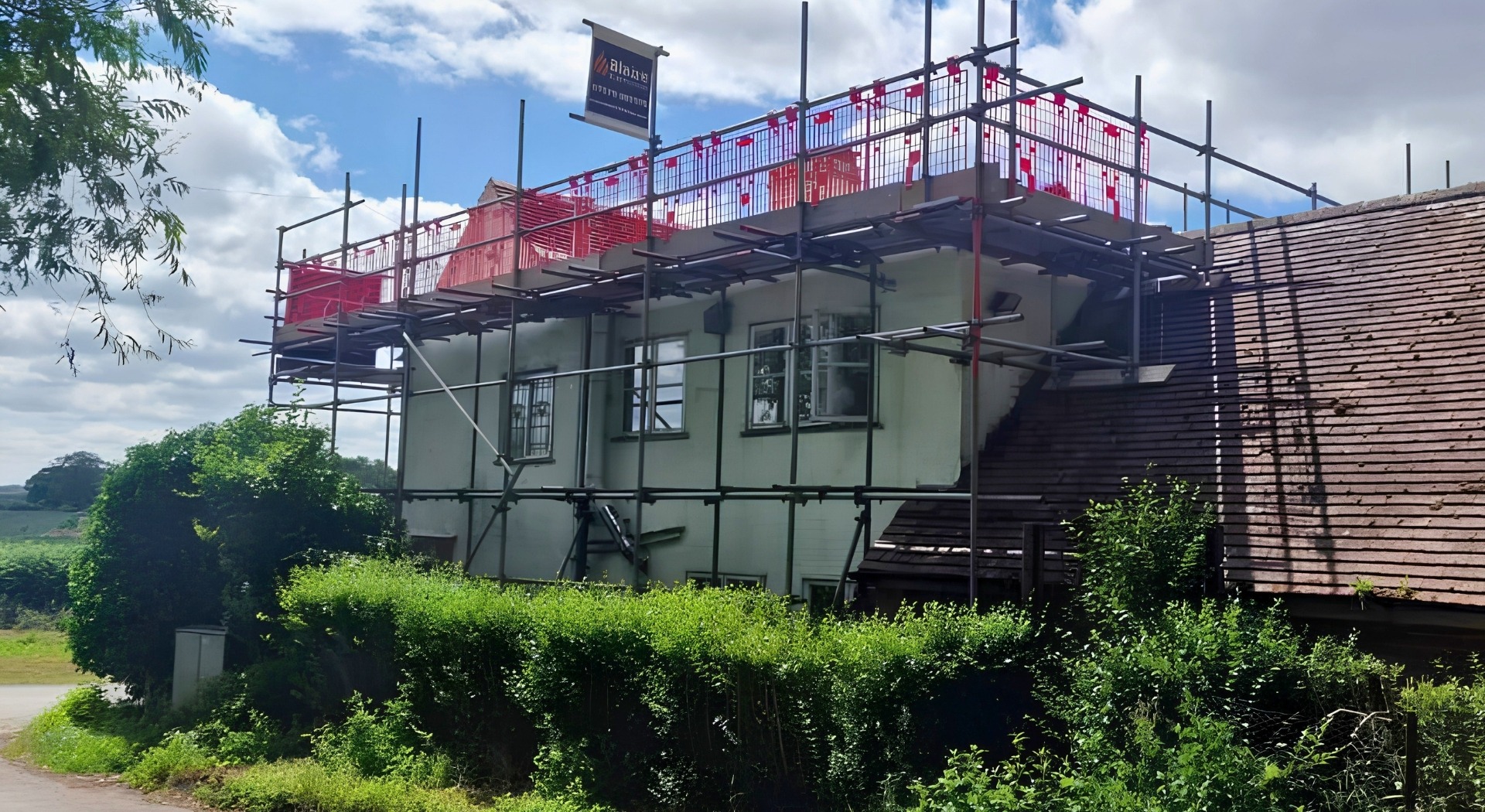
If you are searching for scaffold hire Birmingham, there is a good chance you are planning building work, property maintenance, roofing repairs, a house extension or a larger commercial project. Regardless of the size of the project, safe access is one of the most important factors in ensuring work can be completed efficiently and safely.
Scaffolding provides a stable working platform for tradespeople carrying out work at height. From replacing roof tiles on a family home to maintaining commercial buildings in Birmingham city centre, professionally erected scaffolding helps projects run smoothly while reducing risks for workers, occupants and members of the public.
Many homeowners only hire scaffolding once or twice in their lifetime, so it is understandable that questions often arise about costs, timescales, permits and safety requirements. Commercial contractors and roofing companies may require scaffolding regularly, but they still need a reliable partner who can provide safe, well-planned access solutions that keep projects moving forward.
Across Birmingham, Solihull, Worcestershire and the wider West Midlands, we support a wide variety of residential and commercial projects. This guide explains everything you need to know about scaffold hire, helping you understand when scaffolding is required, how the process works and what to look for when choosing a scaffolding contractor.
Quick Answer
Scaffold hire Birmingham provides safe temporary access for construction, roofing, maintenance and refurbishment projects. Professional scaffolding allows contractors to work safely at height, improves efficiency and helps ensure compliance with health and safety regulations. The type of scaffolding required depends on the property, the work being carried out and any site-specific access requirements.
At a Glance
Suitable for:
- Roof repairs
- Chimney work
- House extensions
- Commercial projects
- Building maintenance
- Property refurbishments
Typical installation time:
- Domestic projects: 1 day
- Larger commercial projects: 1-5 days
Common service areas:
- Birmingham
- Solihull
- Worcestershire
- West Midlands
What You’ll Learn
In this guide, we’ll explain:
- What scaffold hire involves
- When scaffolding is required
- The different types of scaffolding available
- Typical costs and timescales
- Whether permits are needed
- Common mistakes property owners make
- How to choose a professional scaffolding company
What Is Scaffold Hire?
Scaffold hire is the process of supplying, erecting and dismantling a temporary structure that provides safe access to areas that would otherwise be difficult to reach. The structure is designed around the specific requirements of the project and provides secure working platforms for contractors carrying out work at height.
Scaffolding is used across a wide range of industries and projects. Homeowners often require scaffolding for roof repairs, chimney rebuilding, rendering work or house extensions. Commercial contractors may need larger scaffold systems to support maintenance programmes, building refurbishments or new construction projects.
Modern scaffolding systems are highly versatile and can be adapted to suit properties of almost any shape or size. This flexibility allows safe access to difficult locations while maintaining the highest possible safety standards.
When installed correctly, scaffolding not only protects workers but also improves productivity. Tradespeople can work more efficiently when they have safe and stable access to the areas where work is being carried out.
When Do You Need Scaffolding?
One of the most common questions property owners ask is whether scaffolding is actually necessary. While some small maintenance tasks can be completed using ladders or access platforms, many projects require scaffolding to provide safe and practical access.
Roof Repairs and Roof Replacements
Roofing projects are among the most common reasons for scaffold hire in Birmingham.
Whether a roof requires a few replacement tiles or a complete re-roofing project, scaffolding provides a secure platform that allows roofers to work safely and efficiently. It also makes it easier to transport materials and equipment around the property.
Without proper access, roofing work can become significantly slower and more dangerous.
Chimney Repairs
Chimneys are often located in difficult-to-reach areas, making scaffolding essential for many repair projects.
A professionally designed scaffold structure provides safe access for bricklayers, roofers and chimney specialists. This allows inspections, repointing, rebuilding work and lead flashing repairs to be completed safely.
House Extensions
Many homeowners arranging a house extension underestimate how much access equipment may be required during construction.
Scaffolding is often used throughout multiple stages of the build, from constructing walls and installing roofing systems to completing external finishing works. Providing safe access from the start helps keep the project running smoothly.
Rendering and External Refurbishment
Rendering projects require tradespeople to work consistently across large wall areas. Scaffolding provides a safe and practical platform that allows work to be completed to a high standard.
The same applies to repointing, external decorating and cladding installations.
Commercial Construction and Maintenance
Commercial scaffolding projects often involve larger and more complex structures. These may be required for office buildings, apartment blocks, schools, industrial units, healthcare facilities and retail premises.
In these situations, scaffolding plays a vital role in maintaining safety while allowing contractors to access multiple working areas simultaneously.
What Types of Scaffolding Are Available?
Different projects require different scaffolding solutions. Understanding the main options available can help property owners and contractors identify the most suitable system for their project.
Residential Scaffolding
Residential scaffolding is designed specifically for domestic properties. It is commonly used for roof repairs, chimney work, rendering projects, solar panel installations and home improvements.
Although residential projects are generally smaller than commercial developments, careful planning is still essential. Factors such as conservatories, neighbouring properties, gardens and restricted access areas must all be considered when designing the scaffold structure.
A properly designed residential scaffold provides safe access while minimising disruption to the property and surrounding area.
Commercial Scaffolding
Commercial scaffolding is often larger, more complex and subject to additional planning requirements.
These projects may involve multi-storey office buildings, apartment developments, schools, shopping centres or industrial premises. The scaffold structure may need to accommodate multiple trades working simultaneously while maintaining safe pedestrian access around the site.
Commercial scaffolding requires careful coordination with contractors, site managers and health and safety teams to ensure the project progresses efficiently.
Temporary Roof Scaffolding
Temporary roof scaffolding provides weather protection during major refurbishment or roofing projects.
These systems create a covered working environment that helps protect both the building and the contractors working on it. This can be particularly valuable during the winter months when poor weather may otherwise cause significant delays.
Temporary roofs are commonly used for listed buildings, commercial refurbishments, major roof replacements and projects where the existing roof structure has been removed.
Access Towers and Specialist Structures
Some projects require specialist scaffold designs to overcome access challenges.
This may include structures spanning conservatories, access towers for chimney repairs, bridge sections over lower roofs or scaffolding designed around awkward building layouts.
An experienced scaffolding company will assess the property and recommend the most practical and cost-effective solution.

What Are the Benefits of Professional Scaffold Hire?
The most obvious benefit of professional scaffold hire is improved safety. Working at height remains one of the most significant risks within the construction industry.
According to HSE Working at Height Regulations Guidance, falls from height continue to be a major cause of workplace injuries and fatalities within construction and maintenance sectors.
Professional scaffolding helps reduce these risks by providing secure working platforms, edge protection and safe access routes throughout the project.
However, safety is not the only advantage.
Scaffolding also improves productivity because tradespeople can move around the working area more efficiently. Materials can be positioned closer to where they are needed, reducing unnecessary lifting and movement.
Project quality often improves as well. When contractors have safe and stable access, they are able to focus on delivering a higher standard of workmanship.
For homeowners and commercial clients alike, professionally installed scaffolding can contribute to safer, faster and more efficient project delivery.
How Much Does Scaffold Hire Cost in Birmingham?
One of the most common questions homeowners and contractors ask is how much scaffolding will cost. The reality is that no two projects are exactly the same, which means scaffold hire is typically priced based on the specific requirements of each job.
Several factors influence the overall cost, including the size of the property, the height of the building, how long the scaffold is required, site access restrictions and whether specialist structures such as temporary roofs are needed.
For example, scaffolding for a small chimney repair on a semi-detached property will naturally cost less than scaffolding for a large commercial building refurbishment in Birmingham city centre.
The location of the scaffold can also affect pricing. If scaffolding needs to be erected on a public pavement or highway, additional permits may be required. These licences are typically arranged through the local authority and can increase overall project costs.
The most accurate way to obtain pricing is through a site survey. This allows the scaffolding contractor to assess access requirements, identify any challenges and provide a quotation based on the actual project rather than assumptions.
How Long Can Scaffolding Stay Up?
The length of time scaffolding remains in place depends entirely on the project.
Some domestic scaffolds may only be required for a few days while roofing repairs are completed. Larger commercial projects can require scaffolding for several months.
A common misconception is that scaffolding companies want structures left in place for as long as possible. In reality, scaffold programmes are usually planned carefully around project schedules to ensure structures remain available when needed and are removed promptly once work is complete.
If project delays occur due to weather, material shortages or changes in scope, the scaffolding contractor can usually arrange an extension period if required.
Good communication between the client, contractors and scaffolding company helps ensure scaffolding remains available for the duration of the project without unnecessary additional costs.
Do You Need a Permit for Scaffolding?
In many cases, scaffolding can be erected entirely within the boundary of a property without requiring any local authority permissions.
However, if part of the scaffold extends onto a public pavement, footpath or highway, a permit may be required.
The specific requirements depend on the local authority and the location of the project. Professional scaffolding companies will normally advise clients if a permit is needed and may arrange the application process on their behalf.
This is one reason why it is important to engage a professional scaffolding contractor early in the planning process. Permit applications can sometimes take time, and delays in obtaining approval could impact project start dates.
Further information regarding highway permits can be found through Birmingham City Council and GOV.UK Working at Height Guidance.
How Do You Choose the Right Scaffolding Company?
Choosing the cheapest quotation is not always the best approach when it comes to scaffolding.
The quality of the design, installation and ongoing inspections can have a significant impact on safety and project efficiency.
A reputable scaffolding company should be able to demonstrate experience across a variety of project types, including residential, commercial and roofing projects.
They should also be able to explain how safety inspections are carried out, what insurance cover is in place and how the scaffold will be adapted to suit the specific requirements of the project.
Good communication is equally important. A reliable scaffolding contractor will provide clear information regarding installation dates, timescales and any access requirements before work begins.
When comparing quotations, property owners should consider the overall value being provided rather than focusing solely on price.
Scaffold Hire for Homeowners
Homeowners are among the most common users of scaffolding services throughout Birmingham, Solihull, Worcestershire and the wider West Midlands. While many people associate scaffolding with large construction projects, most residential scaffolding is installed to support routine property maintenance and improvement works.
Roof repairs are one of the leading reasons homeowners require scaffolding. Replacing damaged tiles, repairing lead flashing, rebuilding chimneys and carrying out roof inspections often requires safe access to elevated areas of a property. Scaffolding allows roofing contractors to work efficiently while reducing the risks associated with ladders and temporary access equipment.
House extensions are another common reason for scaffold hire. During the construction process, tradespeople often need access to walls, roofs and upper-level areas. A professionally designed scaffold system helps maintain safety while allowing multiple trades to work effectively throughout the build.
External rendering, repointing and painting projects also benefit significantly from scaffolding. Contractors can work more accurately when they have stable working platforms, which often results in a higher standard of finish and improved project efficiency.
For homeowners, the key benefit is peace of mind. Knowing that contractors have safe access to complete the work properly helps reduce risks and contributes to a smoother project overall.
Scaffold Hire for Roofing Contractors
Roofing contractors rely heavily on professional scaffolding to complete projects safely and efficiently.
Whether carrying out minor repairs or complete roof replacements, safe access is essential. Without suitable scaffolding, roofers may face increased risks, reduced productivity and potential project delays.
A well-designed scaffold structure provides a secure working platform around the property, allowing roofing materials and equipment to be positioned closer to the work area. This can significantly improve efficiency while reducing unnecessary manual handling.
Temporary roof scaffolding can provide additional benefits during major roofing projects. By protecting the property from adverse weather, contractors can often continue working when conditions would otherwise cause delays.
Roofing contractors also benefit from working with scaffolding companies that understand the unique requirements of roofing projects. Effective communication and careful planning help ensure scaffolding is erected when needed and removed promptly once work has been completed.
Across Birmingham and the West Midlands, many successful roofing projects depend on reliable scaffolding support from experienced contractors who understand both safety requirements and project deadlines.
Scaffold Hire for Commercial Projects
Commercial scaffolding projects often require a different level of planning and coordination compared to residential work.
Office buildings, retail premises, apartment developments, schools and industrial facilities frequently involve more complex access requirements. These projects may require multiple working platforms, loading bays, pedestrian protection systems and specialist scaffold designs.
Commercial contractors often need scaffolding that can accommodate several trades simultaneously. Electricians, roofing contractors, cladding installers and maintenance teams may all require access at different stages of the project.
This makes careful planning essential.
An experienced commercial scaffolding contractor will assess the site, identify access challenges and develop a solution that supports the overall project programme. This helps reduce downtime and allows construction activities to progress more efficiently.
Health and safety management is particularly important on commercial sites. Professional scaffolding companies conduct regular inspections and ensure structures remain safe throughout the duration of the project.
For commercial contractors, reliable scaffolding is not simply an access solution. It forms an important part of overall project delivery and can directly influence programme performance, safety outcomes and project costs.
What Safety Regulations Apply to Scaffolding?
Safety remains one of the most important aspects of any scaffolding project.
In the United Kingdom, scaffolding activities are governed by a range of regulations designed to protect workers and the public.
The Work at Height Regulations 2005 place legal duties on employers, contractors and anyone responsible for work being carried out at height. These regulations require work to be properly planned, supervised and undertaken by competent individuals.
Scaffolding must also be inspected at regular intervals. Inspections are typically carried out following installation, after significant alterations and following severe weather events that may affect the stability of the structure.
The guidance provided by HSE Working at Height Regulations Guidance helps ensure scaffolding is erected and maintained safely throughout the project.
Property owners should always choose a scaffolding contractor that takes safety seriously and can demonstrate a strong commitment to compliance and best practice.
What Can Affect the Cost of Scaffold Hire?
While every project is different, several factors commonly influence scaffold hire costs.
The size of the building is one of the most obvious considerations. Larger properties generally require more materials, more labour and longer installation times.
Building height also affects costs. Multi-storey properties often require additional safety measures and more complex scaffold designs.
Access restrictions can have a significant impact as well. Narrow access routes, neighbouring properties, conservatories and busy public areas may require specialist solutions that increase installation time and complexity.
Project duration is another factor. A scaffold required for several months will naturally involve different pricing considerations compared to a scaffold needed for a short-term repair project.
Temporary roof systems can also increase costs because they require additional materials and engineering considerations. However, these structures can often save money overall by helping avoid weather-related delays.
Understanding these factors helps property owners and contractors appreciate why scaffold quotations are normally tailored to each individual project.
Why Early Scaffold Planning Matters
One of the most overlooked aspects of construction planning is arranging scaffolding early enough.
Many property owners focus on roofing contractors, builders or renovation specialists before considering access requirements. However, without scaffolding, many trades cannot begin work.
Early planning allows the scaffolding contractor to assess the project properly, identify potential challenges and coordinate installation dates with the wider construction programme.
This is particularly important for commercial developments where multiple contractors may depend on access being available at specific stages.
For homeowners, arranging scaffolding early helps reduce the risk of delays and ensures projects can start on schedule.
For contractors, early planning improves efficiency, supports health and safety compliance and contributes to smoother project delivery.
In many cases, the most successful projects are those where scaffolding is considered from the very beginning rather than as a last-minute requirement.
Case Study – Temporary Roof Scaffold for a Property Renovation in Solihull
Customer Problem
A homeowner in Solihull was undertaking a major roof renovation after identifying significant water ingress issues affecting the property.
The existing roof structure required extensive repairs, and the roofing contractor needed safe access to multiple elevations while ensuring the property remained protected from the weather.
Without suitable access and weather protection, there was a risk of further damage to the property and delays to the renovation programme.
Solution
We designed and installed a temporary roof scaffolding system that provided secure access around the property while protecting the building from the elements.
The scaffold was erected in stages to minimise disruption and provide safe working platforms for the roofing team throughout the project.
Outcome
The roofing contractor was able to complete the repairs safely and efficiently while maintaining progress despite periods of poor weather.
The temporary roof structure protected the property during the works and helped avoid costly delays that could have extended the overall programme.
This type of project demonstrates how professional scaffolding can contribute to both safety and project success.
Common Mistakes
Many projects involve multiple trades and carefully planned schedules. If scaffolding is not organised early enough, delays can occur while access solutions are arranged.
One of the most common mistakes property owners make is leaving scaffolding arrangements until the last minute.
Another mistake is choosing a contractor based purely on price. While competitive pricing is important, safety, reliability and experience should always be considered.
Some clients also underestimate how access requirements may change during a project. Discussing the full scope of works with the scaffolding company at the beginning helps avoid unexpected alterations later.
A further issue is assuming permits are someone else’s responsibility. If scaffolding affects public areas, it is important to establish who will arrange any necessary permissions before work begins.
Why Professional Advice Saves Money
Professional scaffolding advice often helps reduce costs over the course of a project.
A properly planned scaffold design can improve efficiency, reduce delays and help contractors complete work more quickly.
By identifying potential access challenges early, scaffolding companies can also help avoid costly modifications once work has started.
For larger projects, careful planning can improve coordination between multiple contractors, reducing downtime and helping maintain project schedules.
Most importantly, professional scaffolding significantly reduces the risks associated with working at height. Preventing accidents and project disruptions can save substantial amounts of money compared with dealing with the consequences of inadequate access arrangements.
Related Reading
You may also find the following guides useful:
- Residential Scaffolding Birmingham
- Commercial Scaffolding Birmingham
- Temporary Roof Scaffolding
- Emergency Scaffolding Services
- Roofing Scaffolding Birmingham
- Scaffolding Services West Midlands
- Contact Us
FAQ Section
1. How much does scaffold hire cost in Birmingham?
The cost varies depending on the size of the property, project duration, access requirements and scaffold complexity. A site survey is normally required to provide an accurate quotation.
2. How long does it take to erect scaffolding?
Most domestic scaffolding projects can be erected within a day, while larger commercial structures may take several days depending on their complexity.
3. Do I need scaffolding for roof repairs?
Many roof repairs require scaffolding to provide safe access for contractors and ensure compliance with working-at-height regulations.
4. Who arranges scaffolding permits?
The scaffolding contractor will usually advise whether permits are required and may arrange the application process on behalf of the client.
5. Can scaffolding be erected over a conservatory?
Yes. Specialist scaffold designs can often be used to provide access while protecting conservatories and other fragile structures.
6. How often is scaffolding inspected?
Scaffolding should be inspected following installation and at regular intervals in accordance with current safety regulations.
7. Can scaffolding remain in place during bad weather?
In most cases, yes. However, severe weather conditions may require additional inspections or temporary restrictions depending on site circumstances.
8. Is scaffolding insured?
Professional scaffolding contractors should carry appropriate insurance cover for the services they provide.
9. Do commercial projects require different scaffolding?
Commercial projects often involve larger and more complex scaffold structures that must accommodate multiple trades and site-specific requirements.
10. How much notice do I need to give?
This varies depending on workload and project size, but contacting a scaffolding company as early as possible is always recommended.
Key Takeaways
- Scaffold hire Birmingham provides safe access for residential and commercial projects.
- Professional scaffolding improves safety, efficiency and project quality.
- Costs vary depending on access requirements and project complexity.
- Temporary roof systems can protect buildings during major renovations.
- Early planning helps avoid delays and unexpected costs.
- Choosing an experienced scaffolding company is essential for project success.
Conclusion
Scaffold hire plays an essential role in ensuring construction, maintenance and refurbishment projects can be completed safely and efficiently. Whether you are a homeowner planning roof repairs, a roofing contractor managing multiple projects or a commercial contractor overseeing a larger development, professionally designed scaffolding provides the safe access needed to keep work progressing smoothly.
By understanding when scaffolding is required, how the process works and what factors influence cost and planning, you can make informed decisions that help reduce delays, improve safety and achieve better project outcomes.
Across Birmingham, Solihull, Worcestershire and the wider West Midlands, scaffold hire continues to support a wide range of residential, commercial and industrial projects. Working with an experienced scaffolding contractor ensures every structure is designed around the specific needs of the project while maintaining the highest standards of safety and reliability.
Need Advice?
If you are planning a construction project and require reliable scaffold hire in Birmingham, Solihull, Worcestershire or anywhere across the West Midlands, we can help.
From residential scaffolding and roofing access to commercial projects and temporary roof systems, we provide safe and practical scaffolding solutions tailored to your requirements.
Please contact us for a free quotation and professional advice.
Blaize Scaffolding
Malvern View Outwood
Kidderminster
DY10 4RB
Telephone: 0121 270 7868
Website: https://blaizescaffolding.co.uk/